What to Include in Your SDLC to Deliver Secure and Reliable Software
Discover key considerations to create an SDLC, reinforced by security, quality, and compliance expectations.

Every successful software project follows a structured approach to development. The Software Development Life Cycle (SDLC) provides this framework, ensuring that applications are built efficiently, securely, and meet both user needs and business requirements.
A SDLC policy defines required phases, activities, and deliverables for software changes. It applies to all products and services, including infrastructure-as-code, APIs, and user interfaces.
Whether you're a startup building your first product or an enterprise organization maintaining complex systems, understanding and implementing a proper SDLC is crucial for delivering quality software on time and within budget.
This article provides everything you need to establish a robust SDLC policy that balances development velocity with enterprise-grade security and compliance. You will learn how to structure your development process with measurable objectives and deliverables that ensure consistent quality across all software changes. We will explore how to integrate security-by-design principles, automated compliance validation, and modern DevOps practices into your SDLC framework, enabling your team to deliver secure, reliable software while meeting regulatory requirements and maintaining audit readiness.
SDLC Phases
While different organizations may use variations of the SDLC, most successful implementations include these core phases:
Phase 1: Plan and Design
Purpose: Define business outcomes and transform them into an implementable, secure design.
Objectives:
- Stakeholder interviews, requirements workshops, and acceptance criteria definition
- Feasibility and scope assessment; timeline and resourcing
- Risk assessment and mitigation planning
- Security requirements, threat modeling, and Zero Trust architecture principles
- System and data architecture design with declarative infrastructure patterns
- API/interface design and integration planning
- UX design and prototyping
- Continuous compliance planning with Policy-as-Code for Infrastructure as Code enforcement
Suggested topics to include:
Requirements and Acceptance Criteria: Summarize the approach to capturing user needs, defining acceptance criteria, and prioritizing scope. Include how changes are evaluated.
Architecture and Risks: Describe the target architecture, key design decisions, and principal risks with mitigations. Reference threat modeling outcomes and privacy considerations.
SLAs and Quality Attributes: State performance, availability, security, and privacy objectives that the solution must meet.
Continuous Compliance Strategy: Define Policy-as-Code requirements for Infrastructure as Code, including misconfiguration detection and automated compliance validation.
Functional and Non-functional Requirements: Outline key functional capabilities and quality attributes, and link to the canonical requirements document.
API Specifications and Integrations: Reference OpenAPI/GraphQL specifications and summarize external/internal integration points and dependencies.
UX Design Assets: Link to wireframes or prototypes and call out critical user journeys or accessibility considerations.
Phase 2: Implementation and Validation (Development + Testing)
Purpose: Build working increments and validate them continuously against requirements and quality standards.
Assumes an agile, iterative workflow with continuous integration and frequent, incremental delivery.
Objectives:
- Code development following secure coding standards
- Trunk-based development with daily commits and code reviews
- Unit, integration, and end-to-end automated testing
- API contract testing and schema validation
- Security implementation and verification (authn/z, input validation)
- Security testing (SAST, DAST, dependency scanning, secret scanning, penetration testing, CSPM, CWPP)
- Dependency integrity validation and vulnerability management
- Performance testing with modern tools (k6, Artillery) aligned to SLO/SLIs
- Feature flags for incremental delivery and safe rollouts
- Documentation updates (developer docs, ADRs where applicable)
- Supply chain security (SBOM generation, lock files, vulnerability management)
- Full observability implementation (metrics, logs, traces, user behavior analytics)
- Error budget tracking tied to SLOs
Suggested topics to include:
Development Standards: Outline coding standards, branching, reviews, and automated checks required before merge.
Testing Approach: Explain coverage expectations and the pyramid (unit, integration, end-to-end), test data management, contract testing, and modern performance testing tools (k6, Artillery).
Security and Performance: Note SAST/DAST cadence, dependency scanning, secret scanning, and performance thresholds tied to SLOs.
Observability and Reliability: Detail full observability implementation including metrics, logs, traces, user behavior analytics, and error budget management tied to SLOs.
API Contracts and Validation: Summarize API specifications and contract testing results, including schema compatibility and backward-compatibility guarantees.
Feature Flags and Rollout Plan: Describe feature flags, targeting strategies, kill switches, and rollback procedures.
Supply Chain and SBOM: Provide Software Bill of Materials and lock files, and summarize vulnerability status and remediation progress.
Documentation and Code Readiness: Link to developer documentation and any architecture decision records relevant to the change.
Secret Scanning Results: Note findings and remediation status from secret scanning.
Performance Results and SLOs: Link to performance test reports and highlight any updates to SLO/SLA targets.
Observability Dashboards and Error Budgets: Provide links to dashboards and error budget reports used for reliability tracking.
Phase 3: Release and Deployment (DevOps/SRE)
Purpose: Deploy software to production safely and hand off to operations with proper monitoring and documentation.
Objectives:
- Production environment preparation and security hardening
- CI/CD pipeline implementation and automated deployments
- Infrastructure as Code (IaC) deployment with declarative infrastructure and configuration
- Progressive delivery with feature flags and rollback capability
- Security monitoring and alerting setup
- Post-deployment validation and health checks
- Handoff documentation and operational runbooks
- Full observability deployment (metrics, logs, traces, user behavior analytics)
- Error budget monitoring and alerting
Suggested topics to include:
Deployment Strategy: Describe your deployment approach (blue-green, canary, rolling) and progressive delivery using feature flags to minimize risk and enable safe rollouts.
Environment Management: Explain how production environments are provisioned, secured, and maintained consistently using declarative Infrastructure as Code with cloud-native security practices.
Monitoring and Handoff: Detail the monitoring strategy including application performance, error tracking, security events, full observability (metrics, logs, traces, user behavior analytics), error budget tracking, and how operations teams are equipped to support the deployed system.
CI/CD Pipeline Configuration: Summarize the pipeline stages, automation, and gating criteria used for deployments.
Infrastructure as Code Templates: Reference IaC templates and configuration sources that provision and configure environments.
Production Baseline and Security: Describe production configuration standards and the security baseline applied to the environment.
Feature Flag Rollout Details: Provide the strategy and configuration used for progressive delivery and quick rollback.
Post-deployment Validation: Link to health checks and validation results collected after release.
Release Closure Documentation: Note the artifacts captured for release closure and sign-off.
Error Budget Dashboards and Alerts: Provide links to error budget visualizations and alerting configurations.
Cross-Cutting Requirements
- Security and privacy by design: threat modeling, secure coding, least privilege, Zero Trust architecture, cloud-native security (CSPM, CWPP), encryption in transit and at rest, secret scanning, dependency integrity validation, and privacy impact assessment where applicable
- Documentation and records: maintain required artifacts for each phase and retain according to records policy
- Change management and approvals: peer review required for code; CAB review reserved for truly high-risk or production-impacting changes; rollback plans are mandatory
- Compliance alignment: adhere to applicable frameworks (e.g., SOC 2, ISO 27001, HIPAA, PCI DSS, SOX); maintain data flow diagrams, access reviews, audit trails, and incident response procedures
- Continuous compliance: implement Policy-as-Code for Infrastructure as Code enforcement, automated misconfiguration detection, and continuous compliance validation
- Metrics and reviews: track release frequency, lead time, change failure rate, mean time to restore, security findings, and error budget consumption; conduct periodic SDLC effectiveness reviews
- Exceptions: deviations require documented risk acceptance and approval by the security & compliance lead and engineering leadership
Compliance Considerations and SDLC Impact
Organizations implementing the following compliance frameworks must integrate their requirements into the SDLC.
SOC 2
What it is: Framework for managing customer data based on five trust service criteria.
- Policy additions: require documented data flows, access control reviews, formal change management with approvals and rollback, incident response playbooks and exercises, and availability and performance SLAs.
ISO 27001
What it is: International standard for information security management systems (ISMS).
- Policy additions: require risk assessment and treatment plans tied to changes, baseline configurations, secure change control with approvals and rollback plans, and periodic control effectiveness reviews.
NIST SSDF
What it is: NIST Secure Software Development Framework.
- Policy additions: mandate threat modeling for significant changes, secure coding standards, security testing in CI (SAST, DAST, SCA, secret scanning), SBOM generation and retention, hardened build pipelines with signing/attestation, and defined vulnerability remediation SLAs.
NIS 2
What it is: EU directive expanding cybersecurity obligations for essential and important entities.
- Policy additions: require risk-based security controls in design, vulnerability handling and disclosure processes, supplier risk management, and incident reporting timelines.
PCI DSS
What it is: Security standard for handling cardholder data.
- Policy additions: define network segmentation and scope for the CDE, vulnerability scanning and penetration testing cadence, and strict change control for in-scope systems.
DORA
What it is: EU Digital Operational Resilience Act for financial entities and ICT providers.
- Policy additions: require resilience-by-design reviews, secure coding and supply chain controls (SAST/DAST/SCA, SBOMs), segregation of duties for critical changes, defined incident classification and reporting readiness, scheduled resilience testing and DR/backup validation, and third-party and fourth-party oversight requirements.
SOX
What it is: US regulation for financial reporting integrity.
- Policy additions: require segregation of duties, change control for financial systems, complete audit trails, and periodic access reviews.
Conclusion
This article explains the key considerations to create an SDLC with clear phases, objectives, and required deliverables, reinforced by security, quality, and compliance expectations.
Related Articles
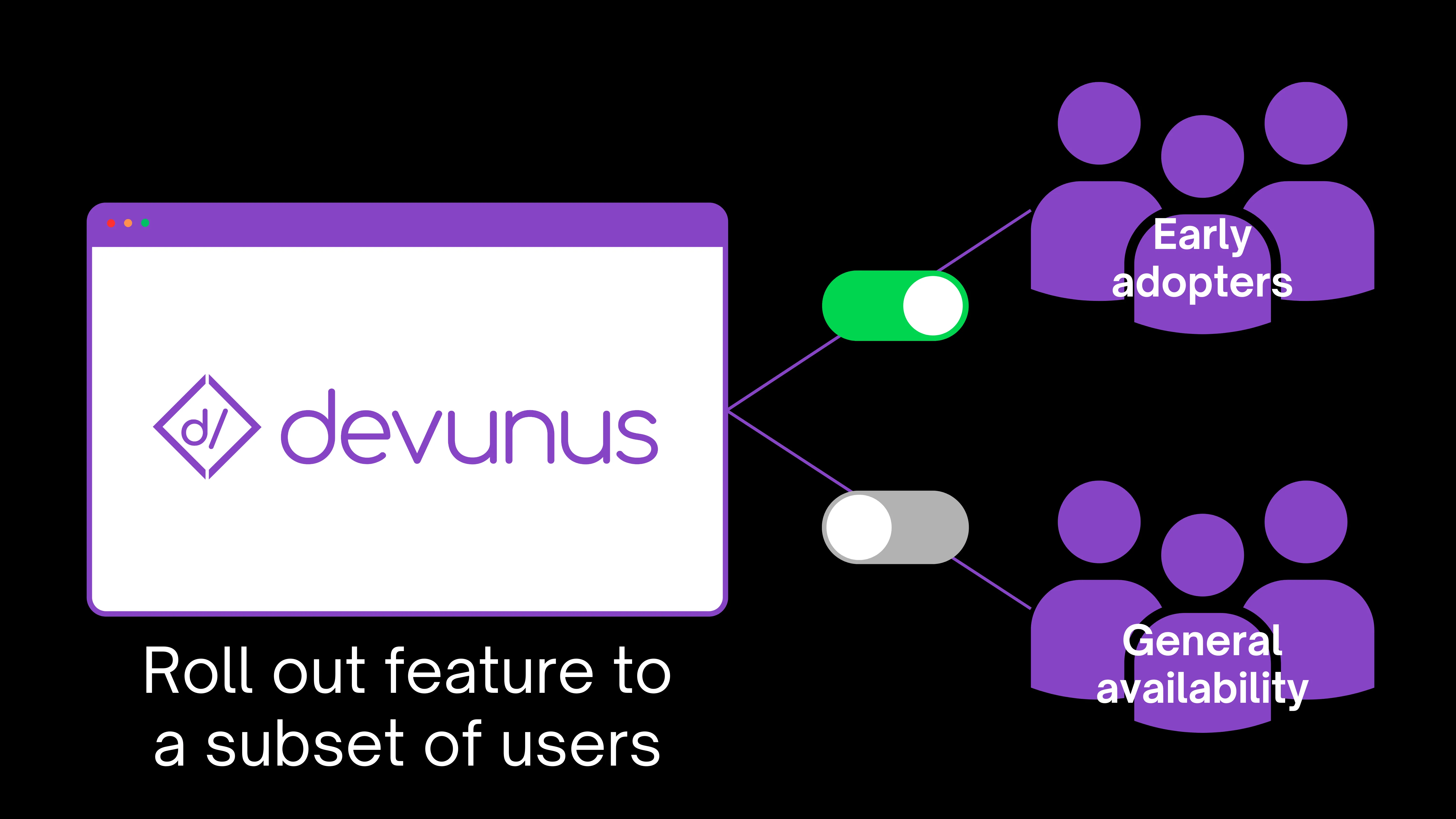
What Are the Benefits of Feature Flags? A Complete Guide for Developers
By integrating feature flags, teams can manage and roll out new features with unprecedented precision and control, enabling a more agile, responsive development process.
Common Technical Debt Issues and Strategies to Improve Them
A comprehensive guide to identifying, understanding, and resolving the most common technical debt patterns in software development