Internal Developer Platform (IDP): How to Build One That Boosts Developer Experience
Learn everything about Internal Developer Platforms (IDPs) - what they are, why they matter, and how to build one that your team will actually use. Discover strategies for successful adoption and avoiding common pitfalls.
Internal Developer Platforms (IDPs) have emerged as a critical tool for modern software organizations, but they're often misunderstood and challenging to implement successfully. This comprehensive guide will walk you through what IDPs are, why they matter, and how to build one that your team will actually use.
What is an Internal Developer Platform (IDP)?
An Internal Developer Platform (IDP) is a centralized system that provides developers with self-service access to the tools, services, and infrastructure they need to build, deploy, and operate software applications. Think of it as a "developer portal" that abstracts away the complexity of underlying infrastructure while providing a consistent, standardized experience.
Core Components of an IDP
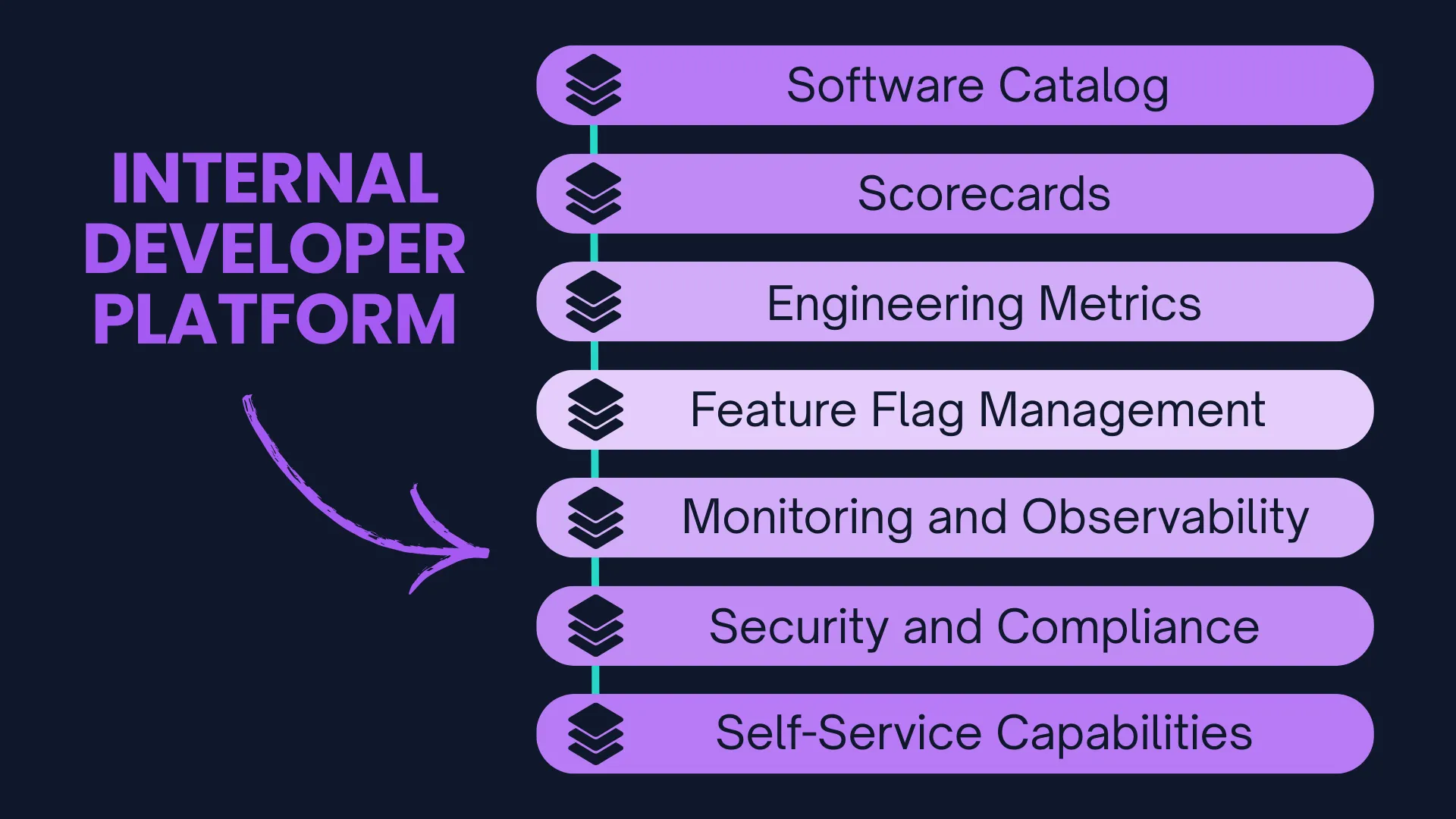
A well-designed IDP typically includes:
- Software Catalog: A centralized registry of all services, components, and tools
- Scorecards: Automated health assessments and maturity tracking for all components and teams
- Engineering Metrics: Comprehensive visibility into development velocity, quality, and team performance
- Feature Flag Management: Seamless connections between tools and controlled feature rollouts
- Monitoring and Observability: Integrated visibility into application health
- Security and Compliance: Built-in governance and access controls
- Self-Service Capabilities: Automated provisioning of resources and environments
Why IDPs Matter
The Developer Experience Crisis
Modern software development has become increasingly complex. While developers want to focus on building features that deliver business value, they often find themselves bogged down by operational overhead:
- Environment setup: hours spent configuring local development environments
- Deployment complexity: manual processes for getting code to production
- Tool fragmentation: switching between dozens of different tools and interfaces
- Knowledge silos: critical information scattered across documentation, wikis, and tribal knowledge
- Access management: time-consuming processes for getting permissions to various systems
- Debugging complexity: difficulty tracing issues across multiple services and environments
Business Impact of Poor Developer Experience
Poor developer experience has real business consequences: slower time to market as developers spend time on non-coding activities, increased burnout from tooling frustration leading to higher turnover, reduced innovation as teams focus on operational concerns instead of business value, higher costs from inefficient processes wasting time and resources, and quality isssues from manual processes introducing human error and inconsistencies.
The Promise of IDPs
IDPs address these challenges by reducing cognitive load through a single interface for all development needs, accelerating development by automating repetitive tasks and standardizing processes, improving quality with built-in best practices and compliance controls, enhancing collaboration through shared tools and processes across teams, enabling self-service so developers can provision resources without waiting for manual approval, and providing visibility with clear insights into system health and development metrics.
Building Your IDP
Start with the Right Foundation
Before diving into implementation, it's crucial to understand what you're building and why. Many organizations make the mistake of starting with the solution rather than the problem.
1. Identify Your Pain Points
Start by understanding what's actually causing friction for your developers:
- What tasks take the most time? (environment setup, deployments, debugging)
- Where do developers get stuck? (access requests, configuration issues, tool switching, finding documentation)
- What causes the most frustration? (lack of visibility, implementing manual checks for SDLC compliance, difficulty measuring and communicating engineering performance)
Conducting a Developer Experience Audit:
- Survey Your Developers: Ask about their biggest pain points and time sinks
- Observe Development Workflows: Shadow developers to see where they get stuck
- Analyze Metrics: Look at deployment frequency, lead time, and time to recovery
- Review Support Tickets: Identify common issues and requests
- Interview Team Leads: Understand team-level challenges and bottlenecks
2. Define Clear Objectives
Instead of building "an IDP," focus on specific problems you want to solve:
- Reduce environment set-up time
- Quick onboarding of developers from weeks to days
- Quickly find the information you need to diagnose and fix issues
- Standardize development workflows across teams
- Eliminate manual access provisioning processes
3. Choose Your Starting Point
Don't try to build everything at once. Start with the highest-impact, lowest-effort improvements.
Begin with a simple software catalog - a registry of services and components that serves as the foundation for everything else. This gives you immediate value by creating a single source of truth for your technology ecosystem, while also providing the data foundation needed for more advanced features like component scorecards, engineering metrics, and automated workflows.
The Software Catalog: Your IDP's Foundation
The software catalog is often the most valuable component of an IDP. It serves as a "single source of truth" for everything in your technology ecosystem.
What to Include in Your Catalog
- Services and applications: all production and development services
- Infrastructure components: databases, message queues, storage systems
- Tools and dependencies: libraries, frameworks, and development tools
- Teams and ownership: clear responsibility mapping
- Documentation and runbooks: how-to guides and operational procedures
- APIs and endpoints: service interfaces and integration points
- Environments: development, staging, and production configurations
- Security and compliance: certifications, audit requirements, and security controls
Making Your Catalog Useful
A catalog is only valuable if people actually use it. Focus on making it:
- Easy to update: self-service interfaces for data maintenance
- Integrated: connected to your existing tools and workflows
- Actionable: provide direct links to relevant systems and documentation
- Accurate: automated data collection where possible
- Health assessment: automated scorecards to assess component health and maturity
Component Health Scorecards and Developer Onboarding
One of the most valuable features of a software catalog is the ability to assess and track the health of your components over time, while dramatically reducing developer onboarding complexity.
Automated Health Scorecards can evaluate:
- Code quality: test coverage, code complexity, and maintainability metrics
- Security posture: vulnerability assessments and compliance status
- Operational health: uptime, performance, and error rates
- Documentation completeness: API docs, runbooks, and onboarding guides
- Team engagement: recent activity, ownership clarity, and support responsiveness
Streamlined Developer Onboarding provides:
- Team-specific onboarding: direct links to relevant documentation for each team's services and tools
- Environment setup automation: one-click setup of development environments with all necessary dependencies
- Access provisioning: automated granting of appropriate permissions and access to required systems
- Learning paths: structured guidance through the technology stack and development processes
- Ownership: clear identification of team members who can help with specific technologies or services
This centralized approach reduces onboarding time from weeks to days and ensures new team members can contribute value much faster.
Engineering Metrics and Visibility
A comprehensive IDP provides deep insights into development velocity, quality, and team performance.
Key Metrics to Track
Development Velocity:
- Deployment frequency: how often teams deploy to production
- Lead time: time from code commit to production deployment
- Cycle time: time from work start to completion
Code Quality:
- Test coverage: percentage of code covered by automated tests
- Code review time: average time for pull request reviews
- Bug rate: number of bugs per deployment
- Technical debt: quantified technical debt metrics
Team Performance:
- Developer productivity: time spent on new features vs. maintenance
- Code review participation: percentage of PRs reviewed within SLA
- Cross-team dependencies: number of inter-team service dependencies
- Feature delivery rate: number of features delivered per sprint
Common Pitfalls and How to Avoid Them
The "Build Everything" Trap
Many organizations try to build a comprehensive IDP from day one, leading to scope creep, analysis paralysis, and resource constraints.
Symptoms: Teams get stuck in endless planning cycles, trying to solve every problem at once while resources dwindle and progress stalls.
Solution: Start with a single, high-impact problem and solve it well before expanding.
Practical Approach: Identify your biggest developer pain point, build a minimal viable solution, measure its impact, iterate based on feedback, and only expand after proving value.
The "Perfect Data" Problem
Teams often get stuck trying to create a complete, accurate catalog before launching their IDP, resulting in endless data collection and stale information.
Symptoms: Organizations spend months collecting data before launching anything, leading to endless debates about completeness while the data becomes stale and adoption suffers.
Solution: Start with existing data and make it easy to update. Focus on usefulness over completeness.
Practical Approach: Use existing documentation, make updates easy with simple interfaces, automate connections to existing systems, and prioritize data that developers actually need.
The "Mandate from Above" Approach
When IDPs are imposed from leadership without developer input, they fail due to lack of buy-in, poor design, and inflexible processes.
Symptoms: Despite management support, developers resist using the platform due to poor design and features that don't address their real needs.
Solution: Involve developers from the beginning and use their feedback to shape the platform.
Practical Approach: Form a developer advisory group, conduct user research to understand workflows, co-create solutions with developers, iterate based on feedback, and celebrate successes.
The "Tool-First" Mindset
Focusing on tools rather than problems leads to technology churn, integration complexity, and maintenance overhead.
Symptoms: Teams choose tools before understanding problems, leading to complex integrations, technology churn, and high maintenance overhead.
Solution: Start with the problem, then choose the simplest tool that solves it. Prefer integration over new tools.
Practical Approach: Start with the problem you're trying to solve, evaluate existing tools first, choose simple solutions, minimize dependencies, and plan for evolution.
The "Set It and Forget It" Trap
Many organizations build an IDP and then neglect it, leading to stale information, outdated processes, and declining adoption.
Symptoms: Documentation becomes outdated, developer usage declines, data goes stale, and the platform stops evolving.
Solution: Treat your IDP as a product that requires ongoing investment and evolution.
Practical Approach: Assign a dedicated platform team, conduct regular reviews, implement continuous improvement based on feedback, track success metrics, and maintain user engagement.
Strategies for Successful Adoption
Start Small and Iterate
The most successful IDPs grow organically from solving real problems:
- Identify a Single Pain Point: Choose the most frustrating, time-consuming problem
- Build a Simple Solution: Create the minimum viable solution that addresses the problem
- Get Early Feedback: Work closely with a small group of developers
- Iterate and Improve: Refine the solution based on real usage
- Expand Gradually: Add new capabilities based on demonstrated value
Pro Tip: Start with high-performing teams first. They're more likely to engage actively, provide valuable feedback, and demonstrate success that can inspire other teams to adopt the platform.
Focus on Value, Not Features
Developers will adopt tools that make their lives easier. Focus on:
- Time savings: how much time does this save developers?
- Reduced friction: how much easier does this make common tasks?
- Better visibility: how much clearer is the development process?
- Improved quality: how much does this reduce errors and issues?
Make It Easy to Use
Complex tools don't get adopted. Ensure your IDP is:
- Intuitive: no training required to get started
- Fast: quick response times for all operations
- Reliable: consistent, predictable behavior
- Well-documented: clear guides and examples
Provide Immediate Value
Don't wait for a complete platform to deliver value. Focus on:
- Quick wins: solve problems that developers face daily
- Visible improvements: changes that developers can see and feel
- Measurable impact: track time savings and productivity gains
- Positive feedback: celebrate successes and improvements
Quick Win Examples:
- Automated environment setup: reduce setup time from hours to minutes
- Centralized documentation: make it easy to find information
- Automated access provisioning: eliminate manual approval processes
- Deployment automation: reduce deployment time and errors
Build a Community Around Your Platform
Successful IDPs have active communities of users who contribute to their evolution:
- User groups: regular meetings to discuss platform usage and improvements
- Knowledge sharing: forums or channels for sharing tips and best practices
- Contribution opportunities: ways for developers to contribute to platform development
- Recognition: acknowledge and reward platform champions and contributors
Measuring IDP Success
Key Metrics to Track
- Developer productivity: time spent on non-coding activities
- Deployment frequency: how often teams can deploy safely
- Lead time: time from code commit to production deployment
- Mean time to recovery: how quickly teams can fix issues
- Developer satisfaction: survey scores and feedback
- Platform adoption: usage rates and feature utilization of the IDP itself
- Onboarding efficiency: time from hire to first productive contribution
- Component health scores: average health ratings across your software catalog
Qualitative Success Indicators
- Reduced frustration: fewer complaints about tooling and processes
- Increased innovation: more time spent on new features and improvements
- Better collaboration: improved communication and knowledge sharing
- Higher retention: developers stay longer and are more engaged
- Improved component health: better scores across your software catalog
- Reduced knowledge silos: information is centralized and easily discoverable
Measuring Framework
DORA Metrics Integration:
- Deployment frequency: how often you deploy to production
- Lead time for changes: time from commit to production deployment
- Mean time to recovery: time to restore service after failure
- Change failure rate: percentage of deployments causing failures
Platform-Specific Metrics:
- Catalog completeness: percentage of services documented in catalog
- Documentation quality: average documentation completeness scores
- Developer onboarding time: time from hire to first productive contribution
- Self-service adoption: percentage of resource requests handled automatically
Continuous Measurement and Improvement
Regular Assessment Cycles:
- Monthly: Track key metrics and identify trends
- Quarterly: Comprehensive platform review and planning
- Annually: Strategic assessment and roadmap planning
Feedback Collection Methods:
- Surveys: regular developer satisfaction surveys
- Interviews: deep-dive conversations with platform users
- Usage analytics: track feature usage and adoption patterns
- Support tickets: monitor common issues and pain points
Integration with Existing Tools
Common Integration Points
- Version Control: GitHub, GitLab, Bitbucket
- CI/CD Pipelines: Jenkins, GitHub Actions, GitLab CI
- Cloud Platforms: AWS, Azure, Google Cloud
- Monitoring: Prometheus, Grafana, DataDog
- Communication: Slack, Microsoft Teams
- Documentation: Confluence, Notion, ReadMe
- Project Management: Jira, Linear, Asana
- Security Tools: Vault, AWS IAM, Azure AD
Integration Best Practices
- Use APIs: prefer programmatic integration over manual processes
- Maintain consistency: ensure data flows smoothly between systems
- Provide fallbacks: don't create single points of failure
- Monitor integration health: track the reliability of connections
- Version APIs: plan for API changes and backward compatibility
- Secure connections: use proper authentication and encryption
Security and Compliance Considerations
An IDP needs to address security at multiple levels: protecting the platform itself, enforcing security policies across your development ecosystem, and providing compliance capabilities.
Securing the IDP Platform
The IDP itself must be secure:
- Access controls: role-based permissions and authentication for platform users
- Audit logging: complete trail of all platform actions and changes
- Secret management: secure handling of credentials and tokens within the platform
- Platform security: regular security updates and vulnerability scanning of the IDP itself
Enforcing Security Through the IDP
The IDP should help enforce security across your development ecosystem:
- Automated security checks: built-in vulnerability scanning for code and dependencies
- Policy enforcement: automated compliance checks for security standards (OWASP, etc.)
- Secure defaults: pre-configured secure settings for new environments and resources
- Security gates: automated blocking of deployments that don't meet security requirements
Compliance and Governance
The IDP should support regulatory and organizational compliance:
- Compliance reporting: built-in support for regulatory requirements (SOC2, GDPR, etc.)
- Policy management: centralized management of security and compliance policies
- Audit trails: comprehensive logging for compliance audits
- Access reviews: automated workflows for periodic access audits and permission reviews
Compliance Features:
- Automated compliance checks: regular scanning for compliance violations
- Policy templates: pre-built policies for common compliance frameworks
- Reporting dashboards: real-time compliance status and reporting
- Remediation workflows: automated processes for addressing compliance issues
The Future of Internal Developer Platforms
Emerging Trends
- AI-powered assistance: intelligent recommendations and automation
- GitOps integration: declarative infrastructure management
- Multi-cloud support: consistent experience across cloud providers
- Enhanced observability: deeper insights into development workflows
- Community features: knowledge sharing and collaboration tools
- Low-code/no-code capabilities: visual interfaces for complex operations
Getting Started: Your IDP Roadmap
Phase 1: Foundation (Months 1-3)
Focus: Build a basic software catalog with your most critical services and identify key pain points.
Deliverables: Basic software catalog with 10-20 critical services including metadata (name, description, owner, repository), comprehensive pain point documentation and prioritization, clear success metrics and measurement plan, initial platform team and stakeholder alignment, and documented objectives for reducing developer friction.
Phase 2: Growth (Months 4-6)
Focus: Expand catalog coverage and add engineering metrics and health scorecards.
Deliverables: Integrated engineering metrics dashboard with velocity, quality, and performance data, automated health scorecards for code quality, security posture, and operational health, expanded catalog with 50+ services including infrastructure components and dependencies, team ownership documentation with contact details and on-call schedules, and developer feedback collection and analysis process.
Phase 3: Maturity (Months 7-12)
Focus: Enable self-service capabilities and scale platform adoption across teams.
Deliverables: Automated system integrations with version control, monitoring, and deployment pipelines, self-service environment provisioning with security scanning and guardrails, automated security and compliance workflows with policy enforcement, platform adoption across 80%+ of development teams, and comprehensive documentation and training materials for sustainable platform operations.
Conclusion
Internal Developer Platforms represent a fundamental shift in how organizations approach software development. By providing developers with the tools, services, and infrastructure they need through a unified, self-service platform, IDPs can dramatically improve developer productivity, reduce operational overhead, and accelerate software delivery.
However, successful IDP implementation requires careful planning, incremental development, and strong focus on user needs. The key is to start small, deliver value quickly, and iterate based on real feedback from your development teams.
Remember, an IDP is not just a collection of tools, it's a platform that enables your development teams to focus on what they do best: building great software that delivers value to your customers. By investing in your developer experience through a well-designed IDP, you're investing in the future success of your organization.
The journey to building an effective Internal Developer Platform may be challenging, but the rewards, faster development cycles, happier developers, and better software, are well worth the effort. Start today with a single problem, solve it well, and watch your platform grow into a powerful enabler of developer productivity and organizational success.
Ready to start building your Internal Developer Platform? Learn how our software catalog and developer portal features can help you create a powerful IDP that your team will actually use. Explore our platform engineering solutions or contact our team to discuss your specific needs.
Related Articles
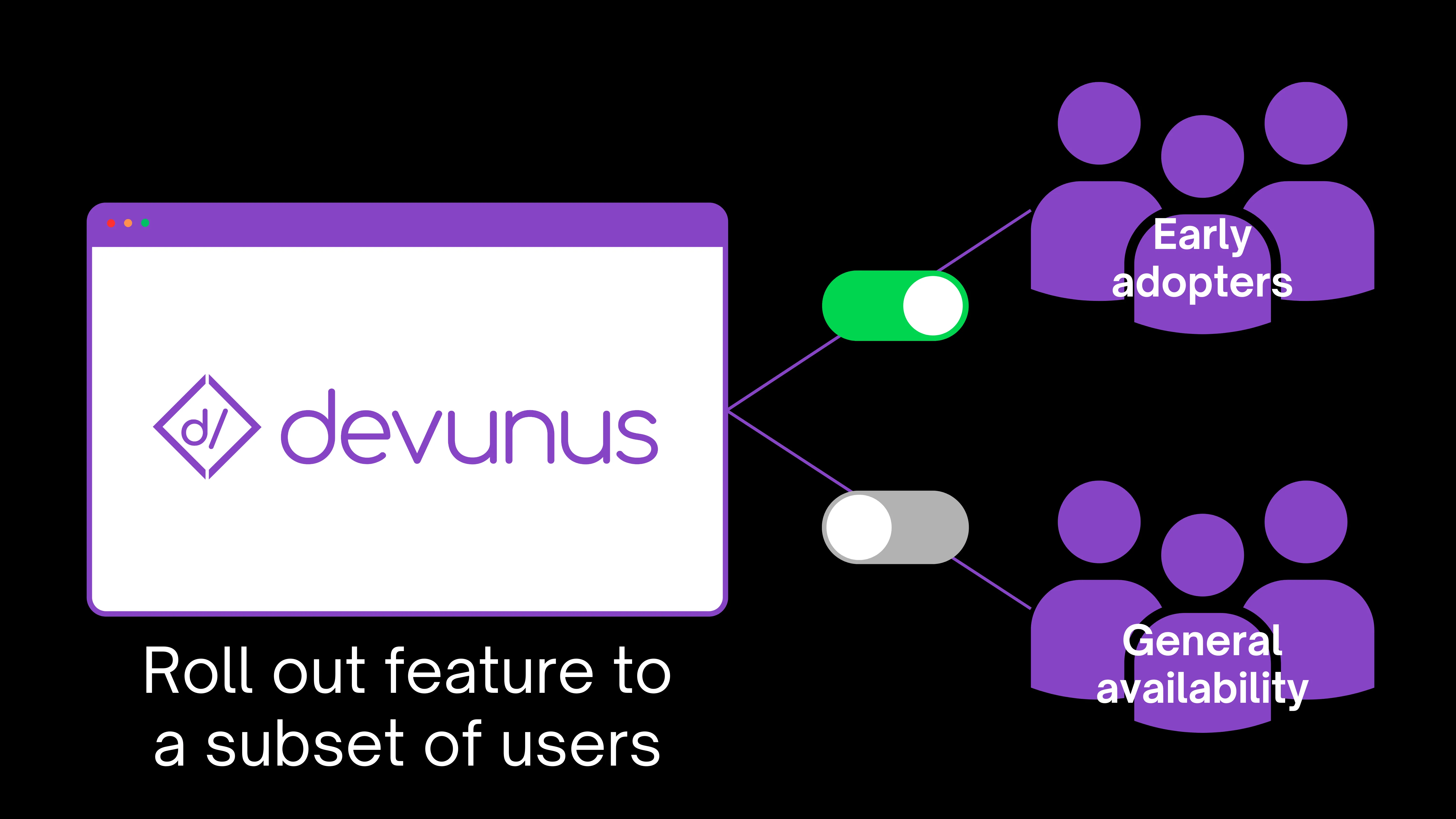
What Are the Benefits of Feature Flags? A Complete Guide for Developers
By integrating feature flags, teams can manage and roll out new features with unprecedented precision and control, enabling a more agile, responsive development process.
Common Technical Debt Issues and Strategies to Improve Them
A comprehensive guide to identifying, understanding, and resolving the most common technical debt patterns in software development